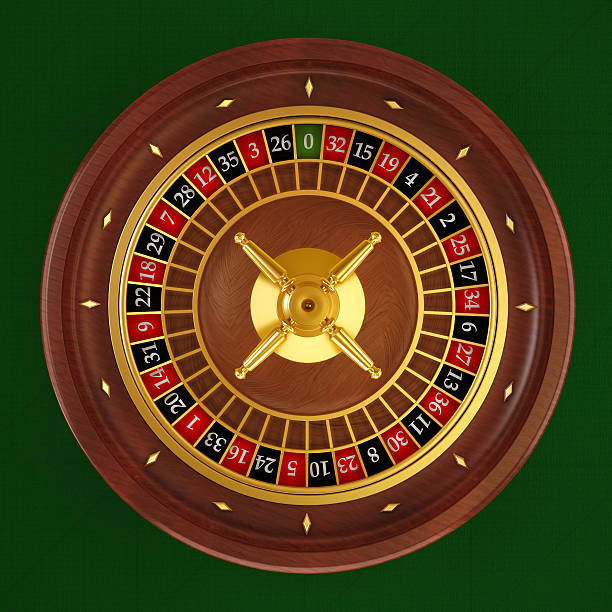
The evolution of gambling technology what the future holds
Historical Overview of Gambling Technology
The evolution of gambling technology has its roots in ancient civilizations, where games of chance were played using rudimentary tools like dice and betting boards. As societies advanced, so did the methods of gambling, transitioning from physical games to more complex systems. The advent of the printing press in the 15th century, for instance, allowed for the creation of printed lottery tickets, which brought a new level of organization and public participation to gambling. Today, many enthusiasts are exploring casinos online that reflect this rich history in innovative ways.

By the late 20th century, with the emergence of digital technology, gambling underwent another significant transformation. The introduction of online casinos in the 1990s revolutionized the industry, allowing players to access games from the comfort of their homes. This shift not only expanded the audience but also introduced new regulatory challenges and opportunities for innovation in game design and player engagement.
Modern Innovations in Gambling Technology
Today, technological advancements continue to reshape the gambling landscape. Innovations such as artificial intelligence, blockchain, and virtual reality are playing a pivotal role in enhancing user experiences and ensuring fair play. AI algorithms, for example, can analyze player behavior to personalize game offerings, while blockchain technology provides transparency and security in transactions.
Moreover, virtual reality casinos are beginning to emerge, offering immersive environments that mimic the experience of physical casinos. This technological leap not only attracts a tech-savvy demographic but also enhances social interactions among players, creating a more engaging gambling experience that was previously unimaginable.
The Role of Luck vs. Skill in Future Gambling
The debate over the role of luck versus skill in gambling has been ongoing, and technology is influencing this discourse. With advancements in data analytics and predictive modeling, skill-based games are gaining traction, providing players with a sense of control over their outcomes. These games challenge the traditional notion of gambling, as success increasingly relies on player skill and strategy rather than sheer luck.
As technology evolves, we can expect a more pronounced shift towards games that require critical thinking and decision-making. This evolution may attract a wider range of players, particularly those who prefer games where their efforts directly influence outcomes, fostering a new generation of gambling that balances both elements effectively.
Future Trends in Gambling Technology
The future of gambling technology looks promising, with several emerging trends poised to change the industry landscape. One of the most significant trends is the integration of mobile gaming, which has already seen explosive growth. With more players using smartphones and tablets, gambling platforms are optimizing their services for mobile access, providing convenience and accessibility.
Additionally, as regulations evolve to accommodate new technologies, we can expect an increase in decentralized gambling platforms that leverage cryptocurrency. This will not only enhance user anonymity but also provide a level of security that traditional payment methods cannot match. The future is bright for innovative solutions that prioritize user experience while ensuring compliance and security.

Conclusion: Embracing the Future of Gambling
In conclusion, the evolution of gambling technology has been marked by remarkable advancements that have transformed the way we play. As the industry continues to grow and innovate, it’s essential for stakeholders to stay ahead of trends and embrace new technologies that enhance user experiences. The balance of luck and skill in gaming will likely evolve, presenting exciting opportunities for both players and developers.
As we look to the future, platforms offering secure and engaging gambling experiences will lead the charge in shaping the next chapter of this dynamic industry. By harnessing technology and understanding player preferences, the gambling world will continue to thrive, creating an exciting landscape for enthusiasts around the globe.