
The allure of gambling: Understanding player motivations
The psychology of gambling is deeply rooted in the emotions and motivations that drive individuals to engage in casino gaming. Whether it’s the thrill of winning, the desire for social interaction, or simply the escape from everyday life, players are often drawn to the excitement that casinos provide. If you’re curious about the deeper aspects of this phenomenon, you can find out more here. The anticipation that comes from placing a bet can trigger a rush of adrenaline, leading to a euphoric state that many find irresistible.
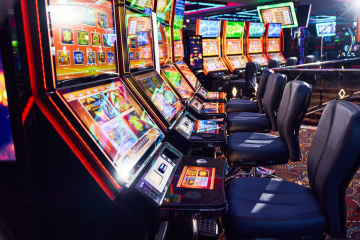
Moreover, the psychological aspect of risk-taking plays a significant role in gambling behavior. Many players are willing to take risks in hopes of achieving substantial rewards, often driven by cognitive biases such as the illusion of control. This belief can lead them to think that their decisions have a direct impact on the outcome of games, further fueling their desire to engage with various gaming strategies.
The impact of reward systems on player behavior
Casinos are adept at leveraging psychological principles to enhance player engagement through structured reward systems. The use of variable rewards, where players experience unpredictable wins, can create a sense of excitement and keep them coming back for more. This is akin to the concept of operant conditioning, where behaviors are reinforced or discouraged based on the consequences that follow them.
These reward systems can also produce a phenomenon known as the “near-miss effect,” which occurs when players come close to winning. This sensation can lead to increased motivation to continue playing, despite the actual odds of winning remaining unchanged. Understanding how these systems work can help both players and casinos shape a more engaging experience.
Cognitive biases and their influence on gambling strategies
Cognitive biases significantly impact how players form their gaming strategies and perceive outcomes. For instance, the gambler’s fallacy is a common misconception where individuals believe that past outcomes influence future events. Players might think that after several losses, they are „due“ for a win, leading them to increase their bets, often against rational probability.
Additionally, framing effects can influence decision-making in gambling. How a game or opportunity is presented can alter players’ perceptions of risk and reward. For instance, players may be more inclined to enter a game if it is framed as a chance to win a “jackpot” rather than as a probability-based decision. Recognizing these biases can be crucial for players looking to develop more strategic approaches to gaming.
The role of environment and design in casinos
The environment in which gambling takes place significantly affects player behavior. Casinos are meticulously designed to create immersive experiences that compel players to engage for extended periods. From the sound of slot machines to enticing décor and strategic lighting, every element is crafted to maintain a thrilling atmosphere that encourages risk-taking.
Furthermore, the absence of clocks and windows is a common tactic used to distort players‘ sense of time, allowing them to lose track of how long they have been playing. This environment enhances the allure of gaming strategies, as players focus on the game rather than their external circumstances, making it easier for casinos to keep them engaged.

Conclusion on the psychology of casino gaming
In conclusion, the psychology behind casino gaming strategies is a multifaceted interplay of human emotions, cognitive biases, and environmental cues. Understanding these factors can help players navigate their gaming experiences more effectively and make informed decisions. By recognizing the psychological triggers at play, individuals can foster a more mindful approach to their gambling habits.
Ultimately, whether for entertainment or the pursuit of profit, being aware of the psychological underpinnings can enhance the overall engagement with casino gaming strategies. As the landscape of gambling continues to evolve, the insights gathered from psychology will remain crucial for both players and casino operators alike.